 SA
SA English
 中文简体
中文简体 Español
 عربى
عربى Indonesia


المنسوجات الوظيفية تجذب اهتمام الصناعة
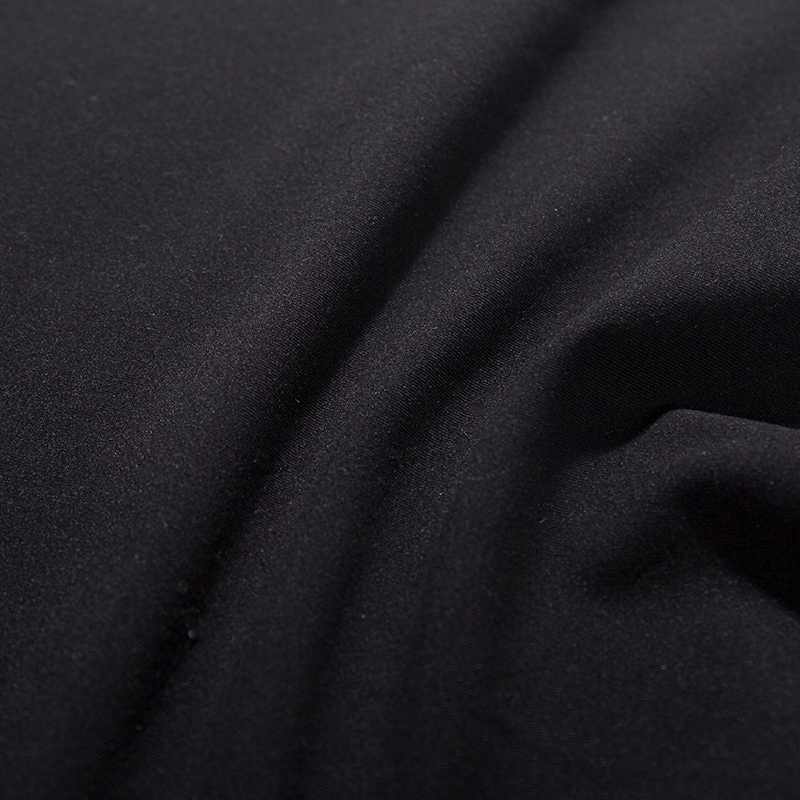
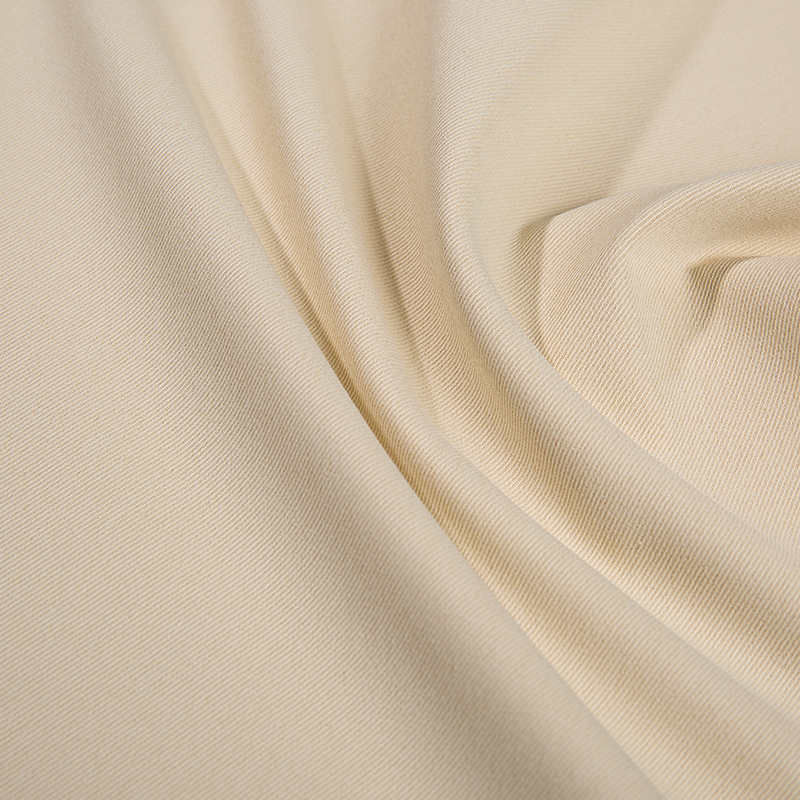
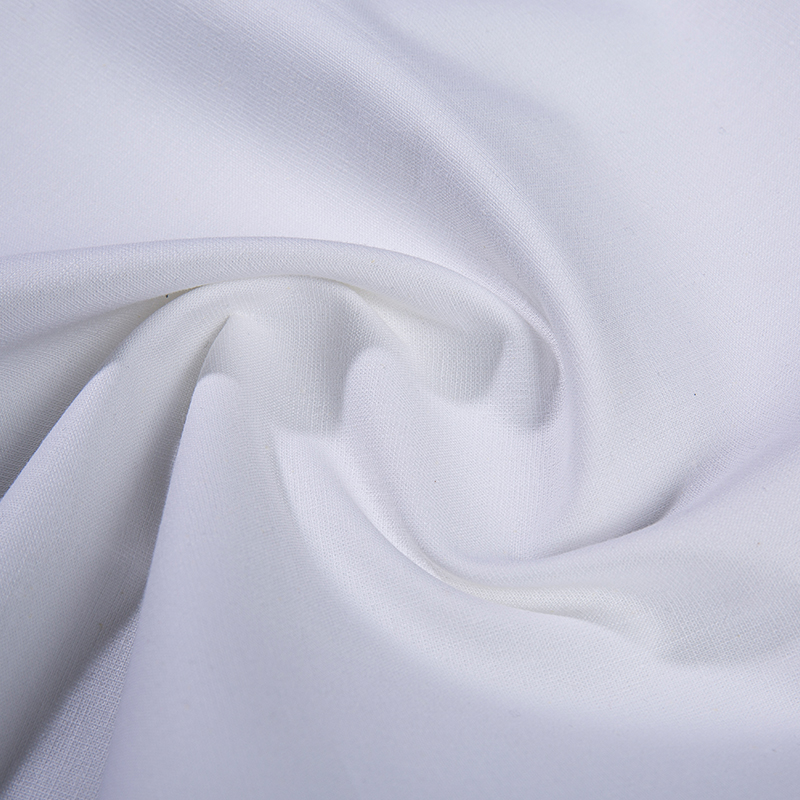
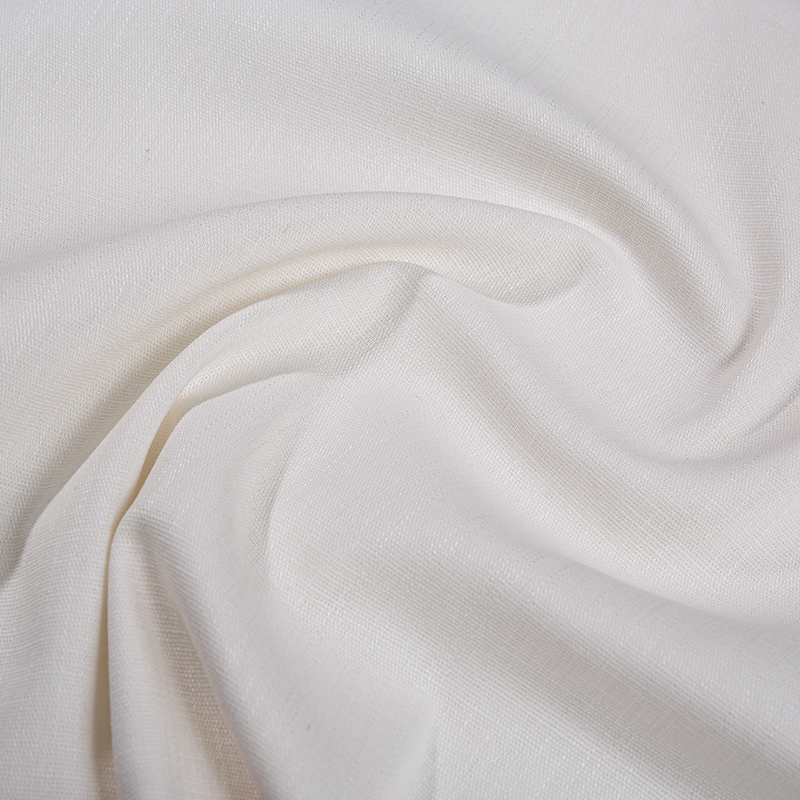
نسيج خارجي مضاد للميكروبات تحظى باهتمام متزايد عبر قطاعات الأثاث الخارجي والترفيه والضيافة والبحرية. بينما يبحث المستهلكون عن مواد تجمع بين الراحة والأداء العملي، يقدم مصنعو المنسوجات أقمشة مصممة للبيئات الخارجية الصعبة.
على عكس المنسوجات الخارجية التقليدية، تم تصميم هذه الأقمشة بخصائص مضادة للميكروبات مدمجة في بنية الألياف أو القماش. يضيف هذا النهج الوظيفي طبقة أخرى من الأداء إلى جانب المتانة وثبات الألوان ومقاومة الطقس. ونتيجة لذلك، يجد النسيج الخارجي المضاد للميكروبات تطبيقات في الوسائد الخارجية، ومقاعد الفناء، والمظلات، ومعدات التخييم، وأثاث الحدائق، وإكسسوارات الديكور.
وقد شجع الجمع بين الميزات العملية والمظهر الجذاب المصممين على إدراج هذه المواد في مجموعة متزايدة من المنتجات الخارجية.
تعمل الألياف المتقدمة على تحسين أداء المواد
يلعب اختيار المواد دورًا مهمًا في إنتاج الأقمشة الخارجية المضادة للميكروبات. عادةً ما يختار المصنعون الألياف الاصطناعية مثل الأكريليك المصبوغ بالمحلول أو البوليستر أو الأوليفين أو الخيوط المخلوطة لأن هذه المواد توفر قوة موثوقة ومظهرًا مستقرًا أثناء الاستخدام الخارجي.
يمكن تقديم وظيفة مضادة للميكروبات أثناء إنتاج الألياف أو تطبيقها كجزء من عمليات التشطيب المتخصصة. يتيح دمج المواد الوظيفية أثناء التصنيع للنسيج الاحتفاظ بخصائصه المقصودة مع الحفاظ على المرونة والملمس المريح.
يؤثر هيكل الغزل أيضًا على الأداء العام للنسيج. تساعد تقنيات النسيج عالية الكثافة على إنشاء أسطح قماشية مستقرة، بينما تعمل مجموعات الخيوط المختارة بعناية على تحقيق التوازن بين النعومة والقوة الميكانيكية. والنتيجة هي نسيج مناسب للتطبيقات الخارجية الزخرفية والعملية.
يجمع التصنيع بين الدقة والاتساق
يتضمن إنتاج الأقمشة الخارجية المضادة للميكروبات عدة مراحل تصنيع منسقة بعناية. يبدأ إعداد الألياف بمعالجة المواد الخام الخاضعة للرقابة قبل أن تقوم معدات الغزل بتحويل الألياف إلى خيوط موحدة.
تنتج آلات النسيج والحياكة الحديثة أقمشة ذات بنية متسقة وتوتر متوازن. تساعد أنظمة المراقبة الآلية في الحفاظ على تجانس النسيج عبر فترات الإنتاج الطويلة، مما يدعم جودة المنتج المستقرة.
بعد تشكيل النسيج، تعمل عمليات التشطيب المتخصصة على تحسين مظهر السطح والخصائص الوظيفية. تقوم معدات التطبيق الدقيقة بتوزيع العلاجات المضادة للميكروبات بالتساوي عبر النسيج مع الحفاظ على الملمس الأصلي للمادة.
يتم دمج فحص الجودة في جميع أنحاء التصنيع. تخضع لفات القماش لاختبارات تناسق الأبعاد، ومظهر السطح، وتوحيد اللون، والسلامة الهيكلية قبل التعبئة. تسمح إدارة الإنتاج الرقمي أيضًا للمصنعين بمراقبة كفاءة التصنيع مع الحفاظ على اتساق المنتج.
تعمل اتجاهات التصميم على توسيع إمكانيات المنتج
أصبحت مرونة التصميم إحدى الميزات الجذابة للنسيج الخارجي المضاد للميكروبات. يقدم المصنعون الآن مجموعة واسعة من القوام والألوان والأنماط المنسوجة وأوزان القماش المناسبة للأماكن الخارجية المختلفة.
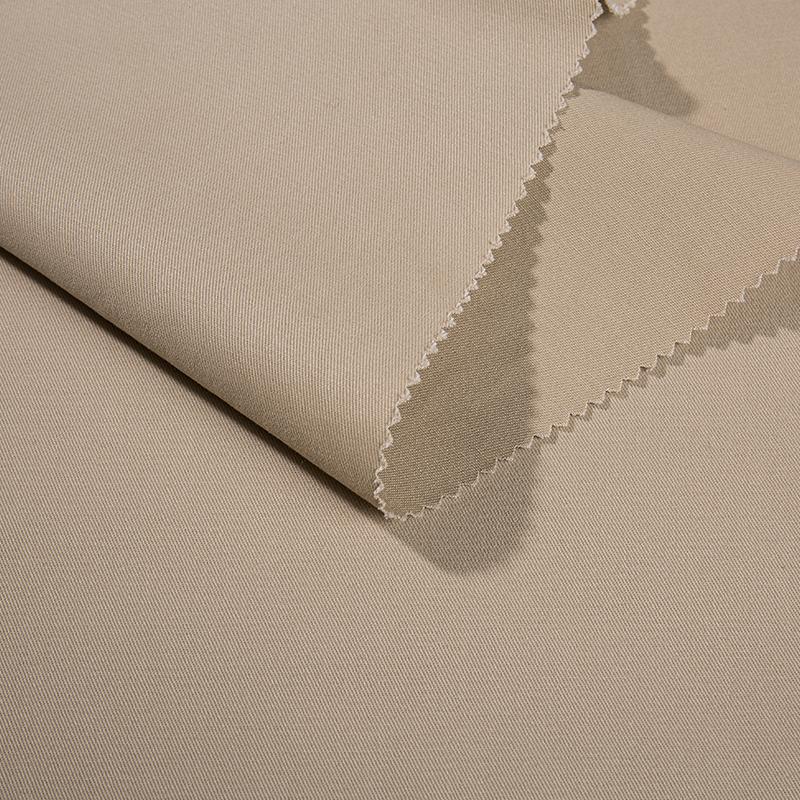
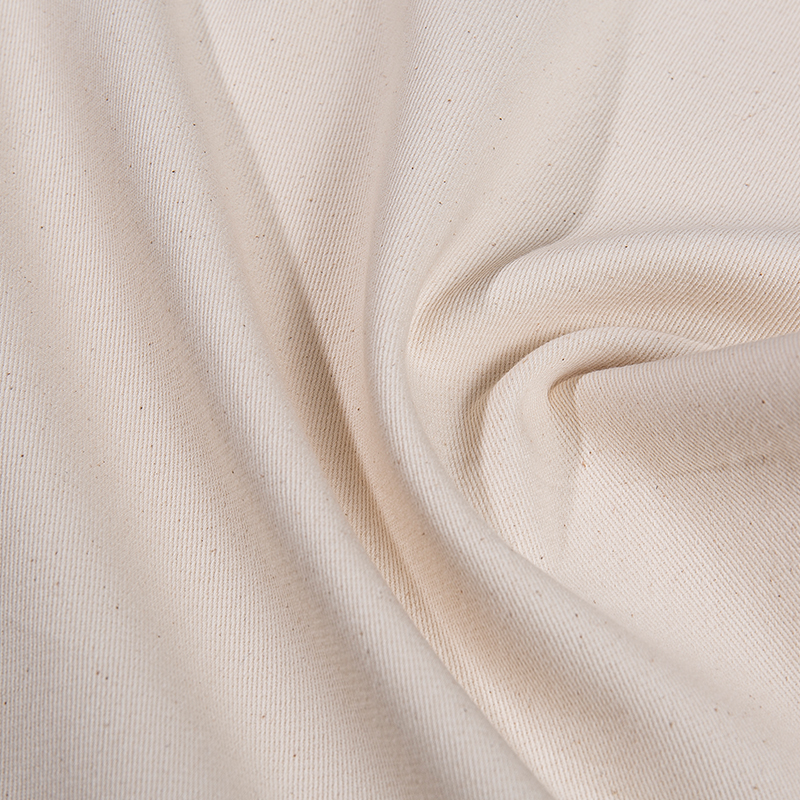
يستمر استخدام الظلال المحايدة على نطاق واسع في مجموعات الأثاث الحديثة، بينما تضيف الأنماط الجريئة اهتمامًا بصريًا إلى البيئات الترفيهية والضيافة. تعمل تقنيات النسيج المحكم على إنشاء أقمشة تشبه المواد الطبيعية مع الاحتفاظ بمزايا الألياف الاصطناعية ذات الأداء.
يتم التأكيد بشكل شائع على العديد من خصائص المنتج أثناء تطوير المواد:
- ملمس سطحي ناعم
- هيكل منسوج ثابت
- خيارات ألوان مقاومة للبهتان
- مرونة مريحة
- اختيارات أنماط متعددة
- هيكل قماش خفيف الوزن ولكنه متين
تسمح خيارات التصميم هذه لمصنعي الأثاث ومصممي المنتجات بمطابقة مظهر القماش مع مجموعة واسعة من الأنماط الخارجية.
تستمر التطبيقات في التوسع عبر الصناعات
تعدد الاستخدامات نسيج خارجي مضاد للميكروبات وقد شجعت اعتمادها في العديد من الصناعات. يستخدم مصنعو الأثاث الخارجي هذه المنسوجات في وسائد الكراسي والأرائك ومقاعد الصالة والوسائد المزخرفة. تدمج مشاريع الضيافة هذه المواد في الأثاث بجانب حمام السباحة، وأماكن الجلوس على السطح، ومساحات تناول الطعام في الهواء الطلق.
يختار مصنعو المعدات البحرية الأقمشة الخارجية لأنظمة الجلوس والديكورات الداخلية التي تتطلب منسوجات متينة. يستخدم منتجو معدات التخييم أيضًا هذه المواد في الكراسي القابلة للطي والمقاعد المحمولة وإكسسوارات التخزين والملاجئ الترفيهية.
تشتمل المساحات التجارية والحرم التعليمية والحدائق العامة والمرافق الترفيهية بشكل متزايد على أثاث خارجي منجد بأقمشة عملية تجمع بين الراحة والمتانة.
 يضيف: Beside National Highway 330, Zhuge Town, Lanxi City, Zhejiang Province, China.
 الهاتف: +86-579-89022355
